
Lip Sync AI vs Face Swap AI (2025): How These Tools Are Changing Video Creation
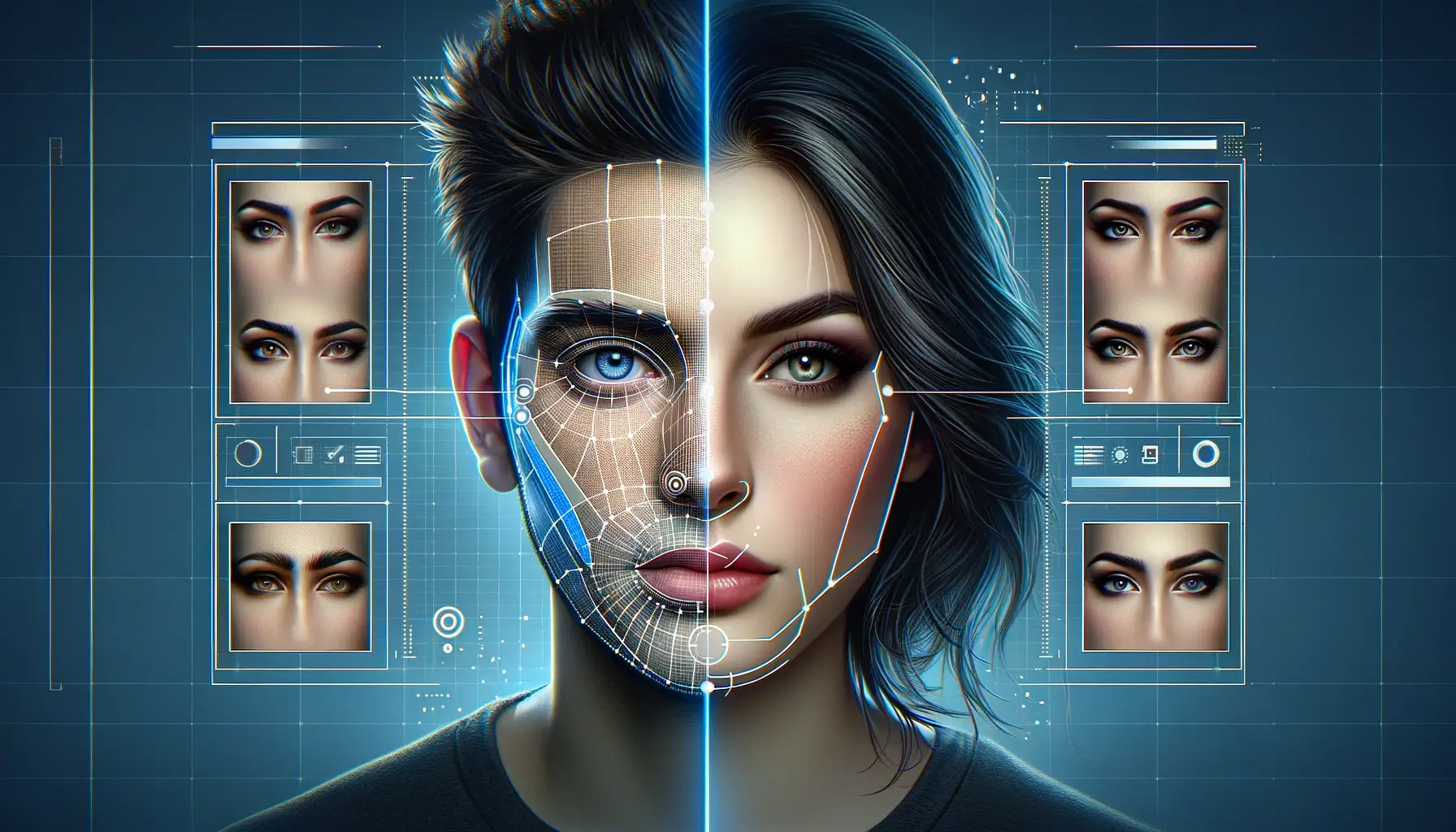
As of September 2025, Lip Sync AI and Face Swap AI are two of the fastest-growing video generation technologies. They’re powering everything from Hollywood dubbing pipelines to TikTok memes — and increasingly, they’re being adopted by marketers and businesses who want faster, more scalable content production.
If you’re wondering what these tools do, how they work, and whether they’re worth using in your workflow, this guide breaks it down. I’ll also share which platforms I’ve tested, what their strengths and limitations are, and where this technology is headed next.
Best Lip Sync and Face Swap AI Tools at a Glance
| Tool / Platform | Best For | Modalities | Platforms | Free Plan |
| Magic Hour | Best all-in-one platform for lip sync, face swap, and image to video | Video, photo, audio | Web | Yes |
| DeepFaceLab | Advanced face swap for developers | Video | Desktop | No |
| HeyGen | Enterprise lip sync + avatars | Video | Web | Limited |
| Reface | Social media fun, quick swaps | Photo, video | Mobile | Yes |
| D-ID | Talking avatars, lip sync AI | Video, audio | Web | Limited |
If you want a single platform that gives you lip sync, face swap, and image-to-video generation in one place, Magic Hour is hard to beat.
What Is Lip Sync AI?
Lip Sync AI uses machine learning to match a person’s lip movements with spoken words. In practice, this means you can take a video or even a still photo and make the subject appear to speak in any language or say entirely new phrases.
Pros
- Saves time in dubbing and localization
- Works with still images and videos
- Supports multilingual output
- Can add emotion and expression for realism
Cons
- Quality varies depending on source footage
- Some tools require strong GPU or cloud credits
- Can be misused for deepfakes
My take: I’ve tested several lip sync ai platforms, and the most practical ones are web-based. They cut production time dramatically, especially if you’re targeting multiple languages. Instead of re-recording every line, you just sync audio to the actor once.
Pricing: Web-based tools like Magic Hour offer a free plan; enterprise platforms like HeyGen or D-ID start at $20–$40/month.
What Is Face Swap AI?
Face Swap AI replaces one person’s face with another in photos or videos. While it started as a novelty feature in social apps, it’s now used in film production, gaming, and even education.
Pros
- Easy way to create new characters or personas
- Useful in entertainment and creative media
- Makes historical recreations and simulations possible
- Engaging for social media and marketing
Cons
- Can distort or “uncanny valley” if poorly trained
- Raises ethical and privacy concerns
- Less useful for serious applications without strong editing
My take: Face swap ai is a powerful storytelling tool. I’ve seen it used to let educators bring historical figures to life, and marketers create region-specific ads with a single actor. But for professional work, quality control is critical — low-end apps often produce distortions.
Pricing: Consumer apps like Reface are free or <$10/month; pro-grade platforms like DeepFaceLab require technical setup.
When Lip Sync AI and Face Swap AI Work Together
The real magic happens when you combine the two:
- Swap a face onto an actor or avatar
- Add audio and lip sync that matches perfectly
Use Cases
- Marketing: One spokesperson speaking in multiple languages
- Entertainment: Actors playing multiple roles without reshooting
- Education: Historical figures “teaching” in real-time
- E-commerce: AI shopping assistants speaking directly to users
This combination is what I see brands experimenting with most in 2025. It adds a human touch to digital communication without the cost of reshoots or extra casting.
Easy Tools for Creators
Five years ago, you needed serious GPU rigs to run this tech. Today, you can do it in a browser.
Tools like Magic Hour’s lip sync ai and face swap ai editors offer:
- Drag-and-drop editing
- Prebuilt templates for TikTok, Instagram, YouTube
- Instant sharing options
- Free trials for experimentation
That means teachers, solo creators, and startups can now produce content that looks studio-grade with no video background required.
Risks and Challenges
Of course, this power comes with risks. Deepfakes remain a serious concern. Misuse can spread misinformation, damage reputations, or create privacy issues.
Key risks include:
- Deepfake abuse in politics or disinformation
- Unauthorized likeness use of celebrities or private individuals
- Trust erosion in media
What’s being done:
- Some platforms are adding invisible watermarks
- Governments are drafting regulation for AI-generated media
- Detection tools are getting stronger, though imperfect
My view: If you’re using these tools for business, transparency is key. Make it clear that AI was used in the creation process.
How I Evaluated These Tools
When testing Lip Sync and Face Swap AI platforms, I focused on:
- Ease of use — Can a creator use it without training?
- Output quality — Do lips and faces look natural under different lighting?
- Speed and pricing — Is it affordable for small teams?
- Platform stability — Does it work consistently?
- Ethics and safeguards — Does the provider consider deepfake risks?
After weeks of testing, my conclusion is that web-first tools with built-in sharing and editing win for most creators and marketers. Developer tools still have their place, but only if you’re building custom pipelines.
The Market Landscape (2025 Trends)
A few clear trends are shaping this space:
- Convergence: Platforms now bundle lip sync, face swap, and image to video ai in one editor.
- Localization at scale: Brands are localizing campaigns across 10+ languages instantly.
- Creator-first workflows: Simple, mobile-friendly tools dominate.
- Regulation pressure: Expect watermarking requirements in EU and US by 2026.
Emerging startups are focusing on AI avatars for commerce and personalized marketing videos. I expect this to be the fastest-growing commercial use case in the next 12 months.
Final Takeaway
If you’re a creator, marketer, or startup builder, here’s how I’d break it down:
- For professional-grade lip sync + face swap in one tool: Go with Magic Hour.
- For enterprise avatar pipelines: Try HeyGen or D-ID.
- For social fun: Reface still dominates mobile.
- For developers: DeepFaceLab offers the most control, but with a steep learning curve.
These tools are powerful, accessible, and improving quickly. But remember: the real advantage isn’t just speed — it’s how you use them to tell better stories.
FAQ
1. Is Lip Sync AI accurate enough for professional use?
Yes. As of 2025, top platforms deliver natural lip movements and emotions, especially with high-quality input video.
2. Can Face Swap AI be used commercially?
Yes, but only if you have the rights to the face or likeness being used.
3. What’s the main risk of these tools?
Misuse for deepfakes and misinformation. Always use responsibly.
4. Do I need a high-end PC to use these tools?
Not anymore — most modern platforms are cloud-based and run in a browser.
5. Which tool is best if I want lip sync, face swap, and image-to-video in one place?
Magic Hour is currently the most comprehensive option.
