
Premium Licensed & Luxury Toys Market Overview
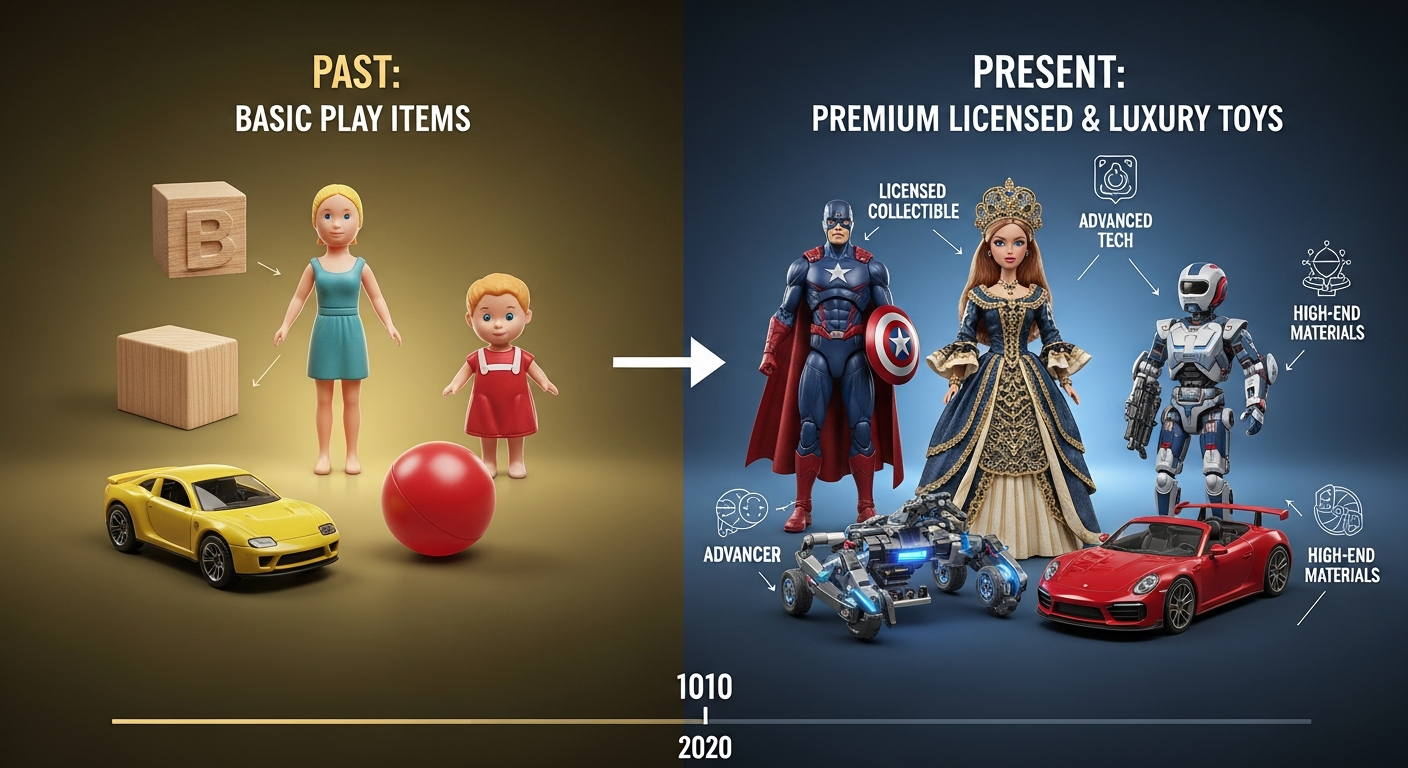
The global toy industry has transformed remarkably over the past decade, Premium Licensed & Luxury Toys shifting from basic play items to highly sophisticated, premium, and licensed products. Today’s parents and collectors look for toys that combine entertainment, safety, technology, and brand value. Premium and luxury toys are no longer limited to children; adults also buy them for nostalgia, gifting, and collection purposes. Brands like LEGO, Mattel, and Hasbro have introduced exclusive editions, designer collaborations, and sustainable toys that elevate playtime into an experience.
Licensed toys, inspired by famous movies, games, and TV characters, have become one of the strongest revenue drivers for global toy makers. From Marvel superheroes to Disney princesses, every successful franchise creates new opportunities for branded merchandise. As consumers demand high-quality materials, eco-friendly options, and innovative design, manufacturers are focusing more on luxury aesthetics and personalized touches. The rising disposable income in developing countries, along with online retail expansion, is pushing the toy market to new heights. The combination of emotional connection, creativity, and luxury has reshaped the global toy landscape like never before.
Premium Luxury Toy Market Global
The global premium toy market is growing due to an increased interest in quality and exclusivity. Parents and collectors prefer toys that offer craftsmanship, safety, and long-term value. Luxury toy brands often use sustainable materials, handcrafted designs, and limited-edition models. North America and Europe remain the top consumers, but Asia-Pacific is rapidly catching up due to rising incomes and lifestyle changes.
Licensed Toys Market Size by Region
Licensed toys dominate over 60% of the global toy market, powered by movie franchises, video games, and anime. The United States leads with strong brand partnerships and entertainment studios. Europe and Japan follow closely with strong local licensing cultures. The Asia-Pacific region, especially China and India, is witnessing a surge in licensed toy demand due to streaming platforms and global pop culture exposure.
Toy Market Competitor Analysis: Emerging Brands
While global giants like Mattel, Hasbro, and LEGO rule the market, emerging brands such as Spin Master and MGA Entertainment are innovating faster. These companies focus on digital integration, AR features, and sustainable designs to attract Gen Alpha buyers. Smaller boutique brands are gaining popularity through social media marketing and influencer collaborations, changing how consumers discover new toys.
Toy Accessories Market Growth Global
Toy accessories such as storage kits, display stands, and customization packs are seeing fast growth. These products extend the lifespan of toys and enhance the play experience. With the rise of collectible and display toys, accessories now play a vital role in both functionality and aesthetics. Retailers and online marketplaces are expanding their product ranges to meet the increasing accessory demand.
Smart and Interactive Toys Revolution
Smart toys that use AI, Bluetooth, and sensors are changing playtime. These toys respond to touch, voice, and movement, offering an engaging experience for kids. The combination of education and entertainment—often called “edutainment”—is driving parent interest. As technology becomes more affordable, smart toys are expected to dominate the premium segment by 2030.
Sustainability in the Toy Industry
Eco-friendly materials and recyclable packaging are now key priorities for consumers. Brands are reducing plastic use and introducing bio-based materials. Companies like LEGO and Green Toys are leading the sustainability wave. This shift not only attracts eco-conscious buyers but also ensures compliance with stricter environmental regulations worldwide.
Collector and Adult Toy Segment
Adults are now a significant part of the global toy market, purchasing premium collectibles, figures, and designer toys. This trend is fueled by nostalgia, pop culture fandom, and investment value. Limited editions and collaborations with famous artists or franchises add to the exclusivity. Adult collectors have transformed the perception of toys into serious art and lifestyle products.
E-Commerce and Digital Marketing Influence
Online platforms have revolutionized toy sales and marketing. Brands leverage social media, influencer partnerships, and interactive ads to reach global audiences. E-commerce allows easy access to limited-edition and imported products, making global toy trading seamless. With AR previews and AI recommendations, online shopping has become an exciting part of the toy-buying journey.
Conclusion
The global premium and licensed toy market continues to thrive as innovation, technology, and lifestyle trends reshape consumer preferences. From handcrafted luxury dolls to smart AI-based toys, every segment of the industry reflects the fusion of creativity and modern design. Licensed products strengthen brand recognition, while sustainability ensures long-term trust and responsibility.
The future of the toy industry lies in personalization, digital engagement, and eco-conscious manufacturing. As disposable incomes grow and online shopping becomes universal, opportunities for new entrants and established brands alike will expand. The line between play and art, child and adult consumer, continues to blur—making premium and luxury toys not just entertainment items, but expressions of individuality and culture.
(FAQ)
1. What are premium and luxury toys?
Premium and luxury toys are high-quality, often handcrafted items made with superior materials and limited editions, targeting both children and adult collectors.
2. Why are licensed toys so popular?
Licensed toys connect fans to their favorite movies, games, and shows, making them emotionally appealing and collectible.
3. Which regions lead the global toy market?
North America, Europe, and Asia-Pacific dominate due to strong brand presence, high spending power, and cultural trends.
4. Are sustainable toys becoming popular?
Yes, eco-friendly and biodegradable toys are gaining popularity as parents and collectors become more environmentally conscious.
5. What is the future of the toy industry?
The future lies in digital innovation, personalized design, sustainable materials, and global online retail growth.


